
In 2025, the landscape of productivity tools is set to transform dramatically. AI is at the forefront of this change. These tools promise to help us work smarter, not harder.
AI productivity tools are designed to automate repetitive tasks. This allows users to focus on more strategic activities. The goal is to enhance efficiency and effectiveness.
Imagine a world where your tasks are prioritized automatically. AI-powered task management systems make this possible. They consider deadlines and importance, ensuring nothing falls through the cracks.
Collaboration is key in any team setting. Collaborative AI tools facilitate seamless communication. They connect team members, regardless of their location.
Time management is crucial for productivity. Intelligent time management tools use AI to analyze work patterns. They suggest optimal schedules, helping you make the most of your day.
Workflow optimization tools streamline processes. They reduce bottlenecks and improve efficiency. This means smoother operations and less stress.
AI tools for efficiency analyze data to provide insights. These insights aid in decision-making, making your work more informed. It’s like having a personal analyst at your fingertips.
Project management can be complex. AI-driven project management platforms offer real-time updates. They use predictive analytics to keep projects on track.
Virtual assistant technology is another game-changer. These assistants handle scheduling, reminders, and even customer service inquiries. They free up your time for more important tasks.
Productivity enhancement software integrates with existing systems. It provides a unified platform for managing tasks. This integration simplifies your workflow.
Smart work technology adapts to user preferences. It learns from interactions to improve over time. This personalization enhances user experience.
Digital productivity solutions often include document management. They also offer communication tools and analytics. These features are essential for modern work environments.
The integration of AI in productivity tools is expected to grow. More personalized and adaptive solutions are on the horizon. This evolution promises even greater efficiency.
AI tools can help reduce human error. They automate data entry and analysis, ensuring accuracy. This reliability is crucial in fast-paced work settings.
Many AI productivity tools offer mobile apps. This allows users to manage tasks on the go. Flexibility is a significant advantage in today’s dynamic world.
Security and privacy are critical considerations. Developers prioritize these aspects in AI productivity tools. Trust is essential for widespread adoption.
AI tools can enhance creativity. They provide suggestions and automate mundane tasks. This frees up mental space for innovative thinking.
The use of AI in productivity tools can lead to cost savings. Businesses benefit from streamlined operations. Efficiency translates to better bottom lines.
AI-driven insights can identify trends and patterns. These might be missed by human analysis. Such insights are invaluable for strategic planning.
Virtual Assistant Technology
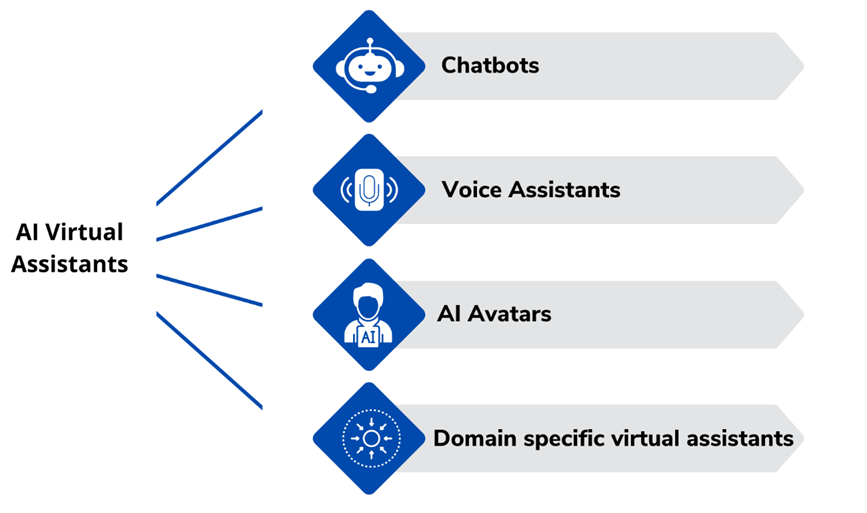
Virtual assistant technology in 2025 is redefining productivity. These AI-powered assistants perform tasks that were once done manually. They enhance workflow with remarkable efficiency and precision.
Imagine a virtual assistant that knows your schedule inside out. It not only reminds you of meetings but also prepares necessary documents. This capability frees you from the hassle of last-minute scrambling.
Today’s virtual assistants go beyond basic scheduling. They can set reminders, send emails, and even manage your to-do lists. Such features ensure that your day runs smoothly.
The evolution of virtual assistants includes advanced natural language processing. They understand commands in plain language, making interactions seamless. This human-like understanding simplifies user experience.
Integration with other applications is key to a virtual assistant’s utility. They work within existing ecosystems, such as email clients and calendars. This integration ensures information is readily accessible when needed.
Consider a virtual assistant that learns and adapts. Over time, it grasps your preferences and optimizes its suggestions. This personalized experience can enhance productivity significantly.
Key Features of Virtual Assistants:
- Task Automation: From booking appointments to sending out reminders.
- Intelligent Suggestions: Offers recommendations based on usage patterns.
- Data Integration: Pulls data from various apps for a unified view.
- Natural Language Processing: Communicates through conversational language.
- Personalization: Customizes interactions to match user behaviors.
Benefits of Virtual Assistants:
- Time Savings: Reduces the time spent on routine tasks.
- Increased Productivity: Ensures better management of daily responsibilities.
- Enhanced Communication: Allows for quick communication internally and externally.
- Error Reduction: Minimizes human errors in data handling.
- Flexibility and Scalability: Adapts to different user needs and business scales.
Virtual assistants can also serve a customer support role. They handle routine inquiries, streamlining customer service operations. This capability provides quick resolution to common issues without human intervention.
Security is always a concern with AI tools. Virtual assistants are equipped with robust security protocols. They ensure the safe handling of personal and corporate information.
The role of virtual assistants in managing emails is significant. They sort, prioritize, and respond based on set criteria. This helps keep your inbox organized and manageable.
Advanced assistants are now capable of handling multi-step tasks. They can set up meetings, including room bookings and participant notifications. This multi-functionality supports complex work environments.
Virtual assistants also facilitate remote work setups. They help team members stay connected and synchronized. This feature is vital in today’s increasingly virtual workplaces.
These assistants continue to evolve, incorporating more sophisticated technologies. Augmented reality, for instance, promises even more interactive and intuitive experiences. The future is bright for virtual assistant technology.
The ongoing enhancements in AI are set to make virtual assistants indispensable. They offer smarter work solutions tailored to varied professional needs. Virtual assistants are truly the backbone of modern productivity enhancement.
Tools :-
1. TaskMate
2. WorkGenius
Workflow Optimization Tools

In 2025, workflow optimization tools are indispensable for businesses aiming to streamline operations. They reduce bottlenecks and boost organizational efficiency. These tools are crucial for maintaining competitive advantage.
Modern workflow optimization tools analyze and simplify complex processes. By breaking down tasks into manageable steps, they improve clarity and execution. This leads to a more effective and harmonious work environment.
One of the standout features of these tools is automation. They automate repetitive tasks, liberating employees for more strategic work. This shift allows for enhanced creativity and innovation.
Data analytics play a central role in workflow optimization. These tools harness vast amounts of data to provide actionable insights. Decision-makers can then make informed choices based on real-time information.
Integration capabilities are another vital aspect. Workflow tools seamlessly connect with existing business software. This integration ensures that information flows freely across departments.
Major Features of Workflow Optimization Tools:
- Process Mapping: Visual representation of workflows for easier understanding.
- Task Automation: Automates recurring tasks to reduce workload.
- Data Analytics: Provides insights for better decision-making.
- Cross-Platform Integration: Connects with various software for a unified system.
- Performance Monitoring: Tracks workflow efficiency in real time.
Key Benefits of Using Workflow Optimization Tools:
- Increased Efficiency: Optimizes task flow, reducing delays.
- Improved Accuracy: Minimizes human error in processes.
- Enhanced Collaboration: Streamlines communication across teams.
- Time Savings: Reduces time spent on low-value activities.
- Cost Reduction: Identifies wasteful processes for elimination.
These tools are not just limited to large corporations. Small and medium-sized enterprises benefit greatly from optimized workflows. They gain a level playing field in a fast-paced market environment.
Collaboration is greatly enhanced with workflow optimization tools. They ensure that team members are aligned and informed. Sharing of information becomes simpler and more direct.
Customization options allow businesses to tailor tools to specific needs. This adaptability ensures that diverse industries can benefit from these technologies. From healthcare to retail, every sector sees performance improvements.
Security considerations are integral when implementing these tools. They must ensure sensitive data is protected at all times. Strong security measures build trust and compliance.
Future developments in workflow optimization tools focus on user experience. Tools are becoming more intuitive and easy to navigate. This simplicity lowers the barrier for entry, enabling more widespread adoption.
The convergence of AI and workflow tools leads to smarter systems. These intelligent systems adapt to user behavior and improve over time. The result is a continuously optimized work environment.
Workflow optimization is essential for companies looking to innovate. By refining their processes, they can respond swiftly to market demands. This agility is a cornerstone of modern business success.
Tools:-
1. Zapier
2. Automate.io
AI-Driven Project Management
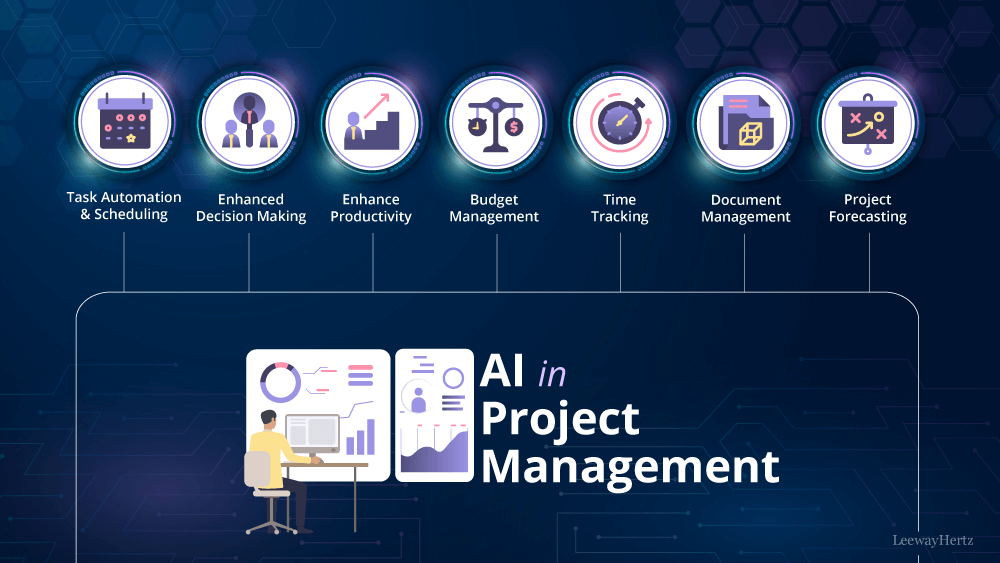
AI-driven project management is transforming how projects are executed. In 2025, AI is a pivotal force ensuring projects meet their goals. This shift is essential for keeping pace with today’s dynamic business landscapes.
These advanced tools offer real-time updates, promoting transparent management. They provide critical project insights through predictive analytics. By using AI, project managers can foresee risks and adjust plans accordingly.
Resource allocation becomes more efficient with AI. It predicts future needs and optimizes resource use, avoiding waste. This level of foresight is invaluable for project managers seeking cost-effective solutions.
Collaboration is a core benefit of AI-driven project management. These platforms facilitate seamless communication among team members. As a result, projects run smoothly without unnecessary delays.
One key aspect is task prioritization. AI analyzes deadlines and importance, rearranging tasks for maximum impact. This automated prioritization enhances team productivity.
Core Features of AI-Driven Project Management:
- Predictive Analytics: Anticipates project needs and potential pitfalls.
- Resource Optimization: Allocates resources effectively to prevent overuse.
- Automated Workflows: Streamlines processes to save time.
- Real-Time Collaboration: Enhances team communication and coordination.
- Task Prioritization: Adjusts tasks for efficiency and goal alignment.
Major Benefits of AI-Driven Project Management:
- Enhanced Decision-Making: Data-driven insights improve strategic choices.
- Reduced Operational Costs: Efficient resource use lowers expenses.
- Higher Team Engagement: Improved communication boosts morale.
- Better Risk Management: Early issue detection prevents project derailment.
- Greater Flexibility: Adaptability to changing project demands.
Scalability is a notable advantage of these tools. Whether managing a small project or a large initiative, AI adapts accordingly. This scalability makes AI-driven platforms suitable for diverse project sizes.
Integration with other productivity tools is a common feature. These platforms connect with software like Microsoft Teams and Slack. Such integration ensures seamless information flow and real-time updates.
Data security remains a top priority. These systems employ robust security measures to protect sensitive project information. This focus on safety ensures compliance with industry standards.
Customization is a strength of AI-driven project management. Businesses can tailor tools to specific project requirements. This ensures a perfect fit, leading to more effective project outcomes.
AI facilitates better client relationship management. By analyzing client interactions, it identifies areas for improvement. This data-driven approach enhances customer satisfaction and retention.
The future of project management includes greater AI integration. These tools will become more intuitive, requiring less human intervention. This evolution promises even greater efficiency in managing projects.
AI in project management fosters innovation. It frees up valuable time that teams can dedicate to creative problem-solving. As a result, organizations benefit from continuous improvement and innovation.
Tools:-
1. ClickUp
2. Monday.com
Collaborative AI Tools
In 2025, collaborative AI tools are crucial in enhancing teamwork. These tools bridge geographical gaps, uniting teams globally. Working together has never been so seamless and efficient.
These advanced tools improve communication between team members. They facilitate real-time data sharing and instant feedback. This synchronization fosters a collaborative environment and innovation.
AI-powered platforms often include features that automatically translate languages. This functionality removes linguistic barriers. It enables teams from different countries to work together without hesitation.
Another benefit is the automation of routine tasks. AI handles scheduling meetings, sending reminders, and managing documents. This automation means that teams can focus on more meaningful work.
AI tools also improve data management efficiency. They organize vast amounts of data for easy access and analysis. This streamlined process assists teams in making quick, informed decisions.
Essential Features of Collaborative AI Tools:
- Real-Time Communication: Instant messaging and video conferencing.
- Automated Scheduling: Simplifies meeting arrangements and reminders.
- Data Management: Organizes data for easy retrieval and sharing.
- Language Translation: Eliminates communication barriers in diverse teams.
- Version Control: Tracks changes in documents to maintain consistency.
Key Benefits of Collaborative AI Tools:
- Enhanced Team Dynamics: Fosters a positive, productive work culture.
- Increased Innovation: Encourages creativity through collaborative insights.
- Efficient Resource Allocation: Saves time and money by cutting redundancies.
- Improved Decision-Making: Data-driven insights lead to better outcomes.
- Scalable Solutions: Suitable for teams of any size, from small groups to global enterprises.
Collaboration tools enhance project visibility. Managers gain insights into team progress and obstacles. This visibility aids in timely interventions to keep projects on track.
Integration with other tools is a notable feature. Platforms like Google Workspace and Slack work harmoniously with AI tools. This integration ensures a consistent and uninterrupted workflow.
These platforms cater to diverse work environments. Whether teams work remotely or in offices, AI tools provide equal support. This flexibility ensures smooth operations regardless of location.
AI enhances customization options within collaborative tools. Each team can tailor features to fit their specific needs. This adaptability leads to a more personalized and efficient collaboration experience.
Security remains a priority for collaborative tools. Advanced encryption and authentication processes protect sensitive data. This focus on security builds trust among team members using these platforms.
Finally, the evolution of collaborative AI tools promises further enhancements. As AI technology advances, these tools will become even more intuitive. This progression will lead to increasingly effective teamwork and project successes.
Tools:-
1. Notion AI
2. Miro
Intelligent Time Management
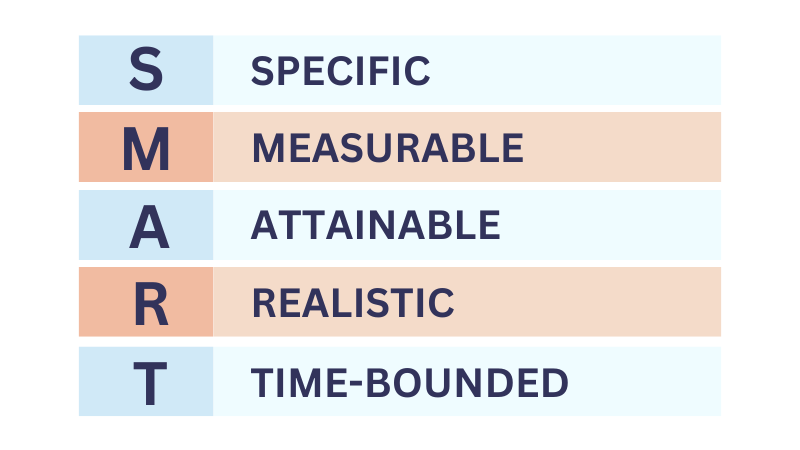
In 2025, intelligent time management tools are game-changers. These tools analyze work patterns meticulously. They recommend optimal schedules, maximizing productivity efficiently.
AI-driven systems predict task durations accurately. This foresight assists in planning realistic timelines. Teams can allocate resources effectively, minimizing delays.
These tools provide notifications for upcoming deadlines. Such reminders keep projects moving forward. Thus, the risk of missing important dates is reduced.
A unique feature is priority ranking. Tasks are organized by urgency and importance. This organization allows users to focus on what truly matters.
Intelligent systems also offer insights into time usage. They identify areas where time is wasted. Users receive suggestions for streamlining processes and improving output.
Key Features of Intelligent Time Management Tools:
- Analytics: Offers insights into user work patterns.
- Automated Scheduling: Develops optimal routines based on data analysis.
- Reminders: Keeps users informed of deadlines.
- Priority Setting: Highlights critical tasks.
- Resource Management: Allocates resources efficiently.
Benefits of Intelligent Time Management Tools:
- Better Planning: Ensures accurate project timelines.
- Reduced Stress: Minimizes last-minute rushes through reminders.
- Enhanced Efficiency: Identifies and eliminates time wastage.
- Prioritized Workflows: Focuses attention on vital tasks.
- Time Savings: Frees up time for strategic planning.
Customization is a standout benefit of these tools. Teams can personalize settings to suit their specific workflows. This personal touch makes the tools more effective and user-friendly.
Moreover, intelligent time management tools encourage better work-life balance. By optimizing schedules, they help reduce overwork. Users enjoy more leisure time, preventing burnout.
Integration capabilities boost these tools’ effectiveness. They seamlessly connect with calendars, project management, and communication applications. This integration ensures a smooth flow of information across platforms.
Security remains central to the design of time management solutions. These tools protect user data with advanced encryption. Privacy and data integrity are never compromised.
As technology advances, intelligent time management tools will evolve. Future improvements promise even more user-friendly interfaces and features. These advancements will help users work smarter while managing time effectively.
Tools:-
1. Reclaim.ai
AI-Powered Task Management

AI-powered task management tools are pivotal for modern workflows. They transform how tasks are organized and executed. By prioritizing tasks based on context, these tools ensure focus on the most crucial objectives.
These systems utilize AI to understand task importance. Such insight helps in setting effective priorities. Users manage to complete essential tasks without feeling overwhelmed.
Automating mundane task assignments is a critical feature. AI streamlines this process by handling routine delegations. This automation lets team members concentrate on complex activities that require human intuition and creativity.
Predictive analytics provide a foresight advantage. The tools anticipate potential roadblocks. They suggest proactive measures to avoid these obstacles, ensuring smoother workflows.
AI-powered tools also enhance collaboration within teams. They facilitate communication by centralizing task-related discussions. This unified approach minimizes miscommunication and keeps everyone aligned with the project goals.
Notable Features of AI-Powered Task Management:
- Task Prioritization: AI analyzes tasks to set priorities.
- Automation: Routine tasks are automatically assigned.
- Predictive Analytics: Foresees challenges and suggests solutions.
- Integrated Communication: Centralizes team discussions.
- Real-time Updates: Ensures everyone is on the same page.
Advantages of AI-Powered Task Management:
- Reduced Workload Stress: Manages priorities intelligently.
- Improved Collaboration: Unifies team communication.
- Enhanced Productivity: Focuses on high-impact tasks.
- Proactive Problem Solving: Addresses issues before they escalate.
- Streamlined Operations: Automates repetitive processes.
Integration with existing software applications adds value. These tools sync with calendars and email systems effortlessly. This linkage creates a cohesive work environment where data flows transparently.
AI-powered task management fosters adaptability. It adjusts to changing project demands swiftly. This agility ensures teams can respond effectively to dynamic work scenarios.
Security and privacy are significant considerations in their design. These tools secure sensitive data rigorously. Advanced encryption protects confidential project information, maintaining organizational trust.
The future of task management is exciting with AI advancements. Emerging features promise even more dynamic task handling. As these technologies evolve, they will further simplify and enhance task management, making it more intuitive.
Tools:-
Conclusion
In 2025, leveraging AI productivity tools is crucial for enhancing efficiency. These tools offer significant advantages across various aspects of workflow management. They reshape traditional practices, allowing professionals to achieve more with less effort.
Virtual assistant technology simplifies scheduling and routine tasks. It enables professionals to focus on strategic initiatives that require human creativity and decision-making. This shift from mundane tasks to more meaningful work drives productivity.
Workflow optimization tools streamline processes, reducing bottlenecks and delays. By automating workflows, teams can maintain a steady pace and adapt quickly to changing conditions. This agility is vital in the fast-paced, competitive market landscape.
AI-driven project management platforms provide real-time updates and predictive analytics. These features ensure that projects remain on track and within budget. They empower managers to make informed decisions, based on accurate and timely data.
Collaborative AI tools foster seamless communication and cooperation among team members. Regardless of their physical location, team members can work together as if they were in the same room. This flexibility enhances teamwork, boosts morale, and increases output.
Intelligent time management solutions offer a smart approach to time allocation. By analyzing work patterns, these tools suggest optimal schedules that maximize productive hours. They help professionals maintain work-life balance by organizing workloads more effectively.
AI-powered task management tools transform how tasks are prioritized and handled. With automation and predictive capabilities, they reduce stress and workload. These tools allow teams to focus on high-impact tasks while minimizing distractions.
In summary, the integration of AI in productivity solutions continues to grow. Users can expect more personalized, adaptive, and user-friendly platforms that fit their specific needs. As technology advances, these tools will become more intuitive and efficient.
Key Takeaways:
- Efficiency: AI tools automate tasks, increasing efficiency and freeing up time.
- Collaboration: They enhance communication within teams, regardless of location.
- Decision-Making: Real-time data and predictive analytics support better decisions.
- Adaptability: AI solutions adapt to changing demands, ensuring flexibility.
- Productivity: They optimize workflows and task management, enhancing productivity.
Incorporating these AI productivity tools into daily operations is a strategic move. It positions individuals and businesses at the forefront of innovation. By embracing these advanced technologies, you foster a smarter, more productive work environment. The future of work is intelligent, and AI tools will undoubtedly play a pivotal role in shaping it.
Thanks for sharing. I read many of your blog posts, cool, your blog is very good. https://accounts.binance.com/pt-BR/register-person?ref=GJY4VW8W
Can you be more specific about the content of your article? After reading it, I still have some doubts. Hope you can help me.
Your point of view caught my eye and was very interesting. Thanks. I have a question for you.
Thanks for sharing. I read many of your blog posts, cool, your blog is very good.
Can you be more specific about the content of your article? After reading it, I still have some doubts. Hope you can help me. https://accounts.binance.com/ar/register-person?ref=FIHEGIZ8
Your point of view caught my eye and was very interesting. Thanks. I have a question for you. https://www.binance.com/register?ref=QCGZMHR6
Can you be more specific about the content of your article? After reading it, I still have some doubts. Hope you can help me.
Can you be more specific about the content of your article? After reading it, I still have some doubts. Hope you can help me. https://accounts.binance.info/en-ZA/register-person?ref=B4EPR6J0
Can you be more specific about the content of your article? After reading it, I still have some doubts. Hope you can help me.
Thank you for your sharing. I am worried that I lack creative ideas. It is your article that makes me full of hope. Thank you. But, I have a question, can you help me? https://accounts.binance.com/register-person?ref=JW3W4Y3A
Thank you for your sharing. I am worried that I lack creative ideas. It is your article that makes me full of hope. Thank you. But, I have a question, can you help me? https://www.binance.com/register?ref=IHJUI7TF
Thank you for your sharing. I am worried that I lack creative ideas. It is your article that makes me full of hope. Thank you. But, I have a question, can you help me? https://accounts.binance.info/es-MX/register-person?ref=GJY4VW8W
Thank you for your sharing. I am worried that I lack creative ideas. It is your article that makes me full of hope. Thank you. But, I have a question, can you help me?
I don’t think the title of your article matches the content lol. Just kidding, mainly because I had some doubts after reading the article.
Your article helped me a lot, is there any more related content? Thanks! https://www.binance.com/futures/ref?code=L4EUT9FG
I don’t think the title of your article matches the content lol. Just kidding, mainly because I had some doubts after reading the article. https://www.binance.info/register?ref=IHJUI7TF
Your article helped me a lot, is there any more related content? Thanks! https://www.binance.info/es-MX/register?ref=GJY4VW8W
I don’t think the title of your article matches the content lol. Just kidding, mainly because I had some doubts after reading the article. https://www.binance.bh/en-ZA/futures/ref?code=B4EPR6J0
Can you be more specific about the content of your article? After reading it, I still have some doubts. Hope you can help me. https://accounts.binance.bh/sk/register/person?ref=WKAGBF7Y
Thanks for sharing. I read many of your blog posts, cool, your blog is very good. https://www.binance.bh/tr/futures/ref?code=MST5ZREF
Can you be more specific about the content of your article? After reading it, I still have some doubts. Hope you can help me. https://accounts.binance.bh/register/person?ref=IXBIAFVY
Your point of view caught my eye and was very interesting. Thanks. I have a question for you.
I don’t think the title of your article matches the content lol. Just kidding, mainly because I had some doubts after reading the article.
Your article helped me a lot, is there any more related content? Thanks!
Can you be more specific about the content of your article? After reading it, I still have some doubts. Hope you can help me.
Thank you for your sharing. I am worried that I lack creative ideas. It is your article that makes me full of hope. Thank you. But, I have a question, can you help me? https://www.binance.bh/register?ref=QCGZMHR6
Your point of view caught my eye and was very interesting. Thanks. I have a question for you.
Your article helped me a lot, is there any more related content? Thanks!
I don’t think the title of your article matches the content lol. Just kidding, mainly because I had some doubts after reading the article. https://www.binance.bh/register?ref=JW3W4Y3A
Your point of view caught my eye and was very interesting. Thanks. I have a question for you. https://www.binance.com/futures/ref?code=GGYHGRE
I don’t think the title of your article matches the content lol. Just kidding, mainly because I had some doubts after reading the article. Registrera
Thanks for sharing. I read many of your blog posts, cool, your blog is very good. https://www.binance.bh/register?ref=QCGZMHR6
Your point of view caught my eye and was very interesting. Thanks. I have a question for you. https://www.binance.com/register?ref=JW3W4Y3A
Your article helped me a lot, is there any more related content? Thanks!
Your article helped me a lot, is there any more related content? Thanks!
Your article helped me a lot, is there any more related content? Thanks! https://www.binance.bh/kk-KZ/register?ref=K8NFKJBQ
Can you be more specific about the content of your article? After reading it, I still have some doubts. Hope you can help me. https://accounts.binance.com/register/person?ref=IHJUI7TF
11cc, alright, I’m on the fence with this one, but I have seen some big winners coming from here. Decide for yourself: 11cc.
777cbgameapk has got to be one of my favorite online gaming site out there! There’s some real potential here. Give it a shot! You won’t be disappointed: 777cbgameapk.
Hoy777? Alright! Seems like a decent online spot. Gonna give it a spin and see if Lady Luck is on my side. Fingers crossed! Check it out here: hoy777
I don’t think the title of your article matches the content lol. Just kidding, mainly because I had some doubts after reading the article.
I don’t think the title of your article matches the content lol. Just kidding, mainly because I had some doubts after reading the article.
Thank you for your sharing. I am worried that I lack creative ideas. It is your article that makes me full of hope. Thank you. But, I have a question, can you help me?
Thanks for sharing. I read many of your blog posts, cool, your blog is very good.
Thanks for sharing. I read many of your blog posts, cool, your blog is very good. https://accounts.binance.bh/register/person?ref=GGYHGRE
Your article helped me a lot, is there any more related content? Thanks!
I don’t think the title of your article matches the content lol. Just kidding, mainly because I had some doubts after reading the article. https://accounts.binance.com/en/register?ref=IU36GZC4
Your article helped me a lot, is there any more related content? Thanks!
Thank you for your sharing. I am worried that I lack creative ideas. It is your article that makes me full of hope. Thank you. But, I have a question, can you help me?
Can you be more specific about the content of your article? After reading it, I still have some doubts. Hope you can help me. https://accounts.binance.bh/register/person?ref=JW3W4Y3A
Thank you for your sharing. I am worried that I lack creative ideas. It is your article that makes me full of hope. Thank you. But, I have a question, can you help me?
Your point of view caught my eye and was very interesting. Thanks. I have a question for you. https://accounts.binance.com/register/person?ref=IXBIAFVY
Thank you for your sharing. I am worried that I lack creative ideas. It is your article that makes me full of hope. Thank you. But, I have a question, can you help me?